Feeling run down or catching every cold? These 10 superfoods deliver nutrients that support immune resilience, reduce inflammation, and help you recover faster.
Citrus Vitamin C Boost: Oranges, Grapefruits, and Kiwi
Citrus fruits and kiwi are packed with vitamin C, a key nutrient that supports white blood cell function and antioxidant defenses. Eating a citrus fruit or a kiwi daily tops up vitamin C stores and helps your body respond to infections more efficiently.
Fresh whole fruit gives fiber along with vitamins, which slows sugar absorption and keeps energy steady. Use citrus in smoothies, salads, or as a portable snack to make vitamin C intake effortless.
Pro Tip: Peel and portion citrus at the start of the week for grab-and-go snacks that make sticking to healthy habits easier.
Leafy Greens: Spinach and Kale for Micronutrient Density
Dark leafy greens supply vitamin A, vitamin C, folate, and minerals that support immune cell development and tissue repair. Simply adding a handful to meals increases micronutrient density without extra calories.
Cooked greens release different nutrients than raw, so alternate salads with lightly sautéed or steamed greens for variety. Blend raw spinach into smoothies for a mild taste that hides the veggies from picky eaters.
Quick Tip: Freeze excess cooked greens in ice cube trays and add to soups or smoothies for a fast nutrient boost.
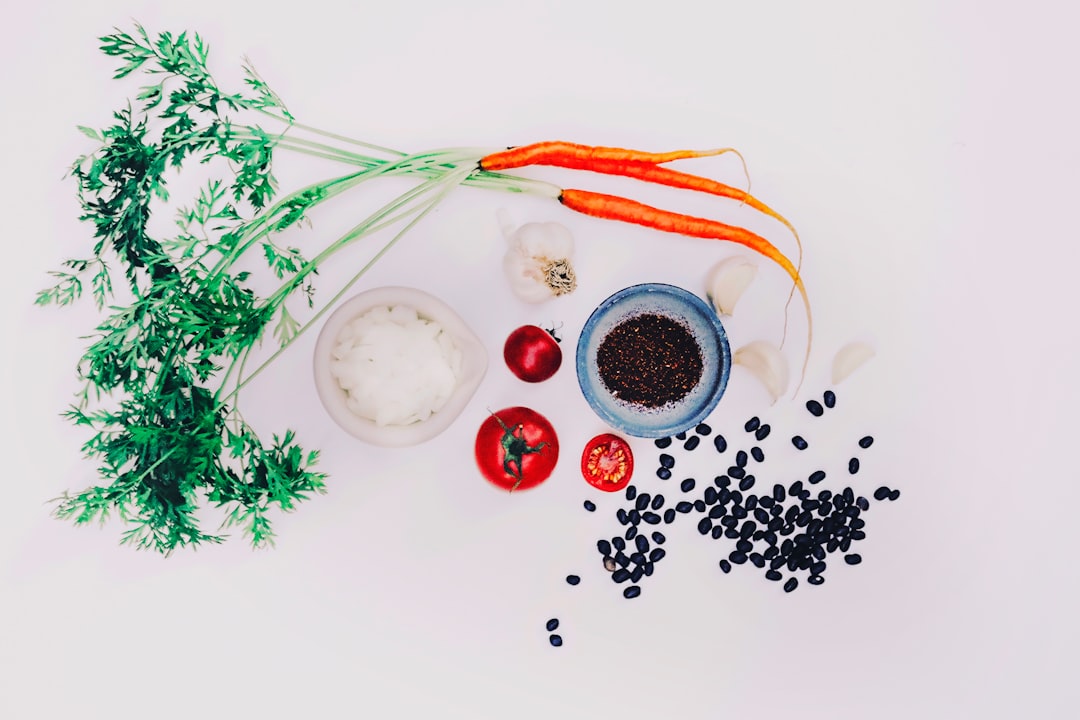
Garlic and Onions: Natural Antimicrobial Allies
Garlic and onions contain sulfur compounds that have antimicrobial and immune-modulating effects, supported by both traditional use and clinical studies. Regular culinary amounts can help reduce the severity and duration of common infections.
Crush garlic and let it sit briefly before cooking to maximize the formation of active compounds. Add raw or lightly cooked garlic to dressings, roasted vegetables, and stir-fries to keep flavor bold and benefits intact.
Expert Insight: Pair garlic with vitamin C rich foods to combine complementary immune benefits in a single meal.
Berries: Antioxidant-Rich Shortcuts to Recovery
Berries are dense in flavonoids and vitamin C, which neutralize free radicals and lower oxidative stress during illness. Their natural sweetness makes them a simple way to increase antioxidant intake for both kids and adults.
Use frozen berries in breakfasts and smoothies to get year-round access at a lower cost. Mixing berries with yogurt or oats delivers fiber and protein, supporting gut health and steady blood sugar.
Insider Tip: Freeze ripe berries at peak season to preserve nutrients and enjoy a powerful antioxidant punch all year.
Yogurt and Kefir: Probiotics for Gut Immune Health
About 70% of the immune system is linked to the gut, and fermented dairy provides live cultures that support a balanced microbiome. Consuming yogurt or kefir daily can improve gut barrier function and reduce susceptibility to infections.
Choose plain, unsweetened varieties and add fruit or a drizzle of honey for flavor without excess sugar. For dairy-free options, fermented almond or coconut products can provide probiotics when properly cultured.
Heads Up: Check labels for live cultures and minimal added sugar to maximize benefits for immune and gut health.
Mushrooms: Beta-Glucans to Modulate Immunity
Certain mushrooms, like shiitake, maitake, and reishi, contain beta-glucans that interact with immune cells and help tune immune responses. Regular culinary use or targeted supplements can be supportive, especially during cold seasons.
Cook mushrooms to improve digestibility and flavor, and add them to soups, stir-fries, and grain bowls. If you choose a supplement, look for standardized extracts and consult a healthcare professional if you take immune-modulating medications.
Worth Knowing: Slices of shiitake or maitake roast well and add umami, making it easy to include them in family meals.
Nuts and Seeds: Zinc and Healthy Fats for Defense
Nuts and seeds provide zinc, vitamin E, and essential fatty acids that support immune cell function and skin barrier integrity. A small daily portion helps meet micronutrient needs without excess calories when used as a snack or topping.
Almonds, pumpkin seeds, and sunflower seeds are easy to sprinkle over salads, yogurt, or oatmeal. Toasting seeds lightly enhances flavor and makes them more satisfying as a crunchy addition.
Pro Tip: Keep mixed nuts and seeds in small containers to control portion size and prevent mindless snacking.
Fatty Fish: Omega-3s to Calm Inflammation
Fatty fish like salmon, sardines, and mackerel are high in EPA and DHA, omega-3 fats that reduce chronic inflammation and support immune regulation. Including fatty fish twice weekly can support recovery and long-term immune resilience.
If you do not eat fish, high-quality algae-based supplements offer a vegetarian source of DHA and EPA. Cook fish gently and pair with a citrus or herb dressing to preserve flavors and nutrients.
Quick Tip: Canned wild salmon or sardines are nutrient-dense, budget friendly, and ready to add to salads or sandwiches.
Green Tea: L-Theanine and Polyphenols for Balance
Green tea contains polyphenols and the amino acid L-theanine, which together support antioxidant defenses and promote a calm, focused state that aids recovery. Drinking a few cups per day provides a steady supply of protective compounds.
Matcha delivers more concentrated polyphenols per serving, while brewed green tea is lighter on caffeine. Enjoy it hot or iced, and avoid adding too much sugar to keep the immune benefits intact.
Expert Insight: Pair green tea with a protein or healthy fat snack to prevent caffeine-related energy dips and support steady immunity.
Turmeric and Ginger: Anti-inflammatory Spice Pair
Turmeric contains curcumin and ginger has gingerol, both of which reduce inflammation and support immune signaling. Adding these spices to daily cooking or smoothies offers consistent anti-inflammatory support.
Combine turmeric with a pinch of black pepper to improve curcumin absorption, and simmer ginger in broths or teas for a soothing, nutrient-rich drink. Fresh or powdered forms both work, pick what fits your routine.
Insider Tip: Make a simple golden milk with warmed milk, turmeric, ginger, and pepper for a comforting anti-inflammatory beverage before bed.
Build Your Immune Plate: Practical Next Steps
Start by picking two or three superfoods from this list and add them into your weekly meals, focusing on whole, minimally processed forms. Small, consistent changes deliver more immune support than rare, large efforts.
Which superfood will you add to your next shopping list, and how will you use it this week?